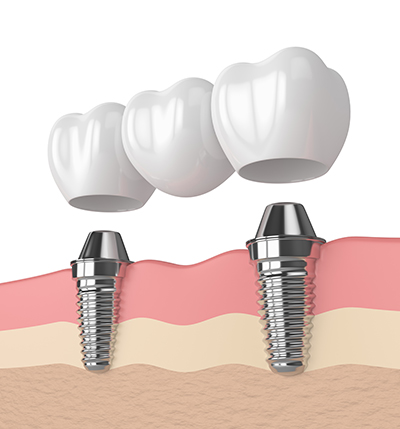
Dental bridges are a reliable solution for replacing missing teeth, restoring both function and aesthetics to your smile. At Oyster Point Dental, we help patients maintain their dental bridges so they continue to look natural and function properly for many years. However, even the most carefully crafted bridge can wear over time. Knowing the signs of wear or damage can help you avoid more serious dental issues and ensure your smile stays healthy.
1. Pain or Sensitivity Around the Bridge
One of the first indicators that a dental bridge may need attention is discomfort. If you experience pain, tenderness, or sensitivity when chewing or biting, it could mean that the supporting teeth (abutments) or the underlying bone have shifted, or that the bridge itself has loosened. Ignoring these signs can lead to further complications, including tooth decay or gum disease.
2. Visible Damage or Discoloration
Cracks, chips, or discoloration in your bridge are clear signals that it may need repair. While minor discoloration can sometimes be addressed with professional cleaning or polishing, structural damage often requires repair or replacement to restore full functionality and prevent additional dental issues.
3. Movement or Looseness
A stable dental bridge should feel secure. If your bridge feels loose or shifts when you bite or chew, it may no longer fit properly. This can occur due to changes in your jawbone, wear on the supporting teeth, or deterioration of the cement holding the bridge in place. Prompt evaluation by a dentist is essential to avoid further damage to surrounding teeth.
4. Difficulty Chewing or Speaking
Changes in your ability to chew or speak comfortably can indicate that your bridge is no longer aligned correctly. Misalignment may not only make eating uncomfortable but can also put extra strain on your natural teeth, jaw muscles, and temporomandibular joint (TMJ).
5. Signs of Gum Irritation or Infection
Redness, swelling, or bleeding around the bridge area can suggest gum irritation or infection. Bridges that no longer fit properly or that trap food particles can create pockets where bacteria accumulate. Addressing these issues quickly helps protect your oral health and prevents more serious complications.
When to Schedule a Dental Visit
Even if your bridge looks fine, routine dental visits are essential. Your dentist at Oyster Point Dental can check the integrity of the bridge, the health of the supporting teeth, and the condition of your gums. Typically, bridges last 5–15 years, depending on materials, oral hygiene, and lifestyle factors. Regular checkups help catch problems early and extend the life of your restoration.
Maintaining Your Dental Bridge
Proper care can prolong the life of your dental bridge. Brush twice daily, floss carefully around the bridge, and avoid biting on hard objects. Additionally, schedule professional cleanings and evaluations at least twice a year to ensure everything remains in optimal condition.
At Oyster Point Dental, we combine experience, expertise, and modern technology to assess, repair, or replace dental bridges efficiently and safely. If you notice any signs of wear, discomfort, or damage, don’t wait — contact us promptly to protect your smile and overall oral health.