Missing teeth can affect more than the appearance of your smile. Depending on their location, they may also make chewing difficult, affect speech, and allow neighboring teeth to shift over time. Fortunately, restorative dental treatments can help address these concerns. One option your dentist may recommend is a dental bridge.
At Oyster Point Dental, understanding your tooth replacement options is an important step toward maintaining your oral health. But when is a dental bridge the right choice? The answer depends on several factors, including the number of missing teeth, the condition of surrounding teeth, and your overall dental health.
1. When You Have One or More Missing Teeth
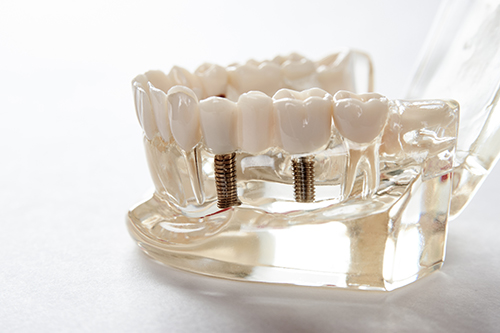
A dental bridge may be recommended when one or more adjacent teeth are missing. As its name suggests, this restoration bridges the gap by using artificial teeth supported by natural teeth or dental implants.
Replacing missing teeth can help restore chewing function, improve the appearance of your smile, and reduce the risk of neighboring teeth shifting into the empty space.
2. When the Surrounding Teeth Can Support a Bridge
Traditional dental bridges are typically supported by natural teeth on either side of the gap. These supporting teeth, called abutment teeth, are prepared to hold dental crowns that secure the artificial tooth in place.
A dentist will examine these teeth to determine whether they are strong and healthy enough to provide adequate support. If the neighboring teeth are significantly damaged or weakened, another restorative option may be more appropriate.
3. When You Want a Fixed Tooth Replacement Option
Unlike removable partial dentures, traditional dental bridges are fixed in place. They are designed to remain in the mouth and do not need to be removed for everyday activities.
For patients who prefer a fixed restoration, a dental bridge may offer a convenient way to replace missing teeth. However, the best option depends on individual needs, oral health, and treatment preferences.
4. When Missing Teeth Affect Chewing or Speech
Gaps in the smile can sometimes make it harder to chew certain foods comfortably. Missing teeth, particularly those toward the front of the mouth, may also affect how certain sounds are produced.
A dental bridge can help fill these spaces and restore some of the function provided by natural teeth. Your dentist can assess whether a bridge may help address your specific concerns.
5. When You Want to Prevent Certain Dental Complications
When a tooth is lost, neighboring teeth may gradually move toward the open space. This can affect how the teeth fit together and may make oral hygiene more challenging.
Replacing a missing tooth with a suitable restoration can help maintain the spacing and alignment of surrounding teeth. A dental bridge may be one option, although treatment recommendations depend on the condition of your remaining teeth and gums.
Are Dental Bridges Right for Everyone?
Dental bridges can be an effective tooth replacement option, but they are not suitable for every patient. Your dentist will consider several factors before recommending treatment, including:
- The number and location of missing teeth
- The health of the surrounding teeth and gums
- The condition of the supporting teeth
- Your bite and overall oral health
Whether other options, such as dental implants or partial dentures, may be more appropriate
A dental examination and consultation can help determine which restoration best fits your needs.
Explore Your Tooth Replacement Options at Oyster Point Dental
Living with missing teeth can affect your confidence and everyday activities, but you do not have to overlook the available treatment options. Dental bridges can help restore the appearance and function of your smile when the right conditions are present.
At Oyster Point Dental, patients can discuss their concerns and explore restorative dentistry options based on their individual oral health needs. If you have one or more missing teeth, schedule a dental consultation to find out whether a dental bridge may be right for you.