Healthy gums are an important part of a healthy smile, but gum problems can develop when plaque and bacteria are not adequately removed. One of the earliest forms of gum disease is gingivitis, which causes inflammation of the gums. The good news is that gingivitis can often be managed and prevented with consistent oral hygiene and professional dental care. Understanding what causes it and recognizing the risk factors can help you take better care of your gums.
What Is Gingivitis?
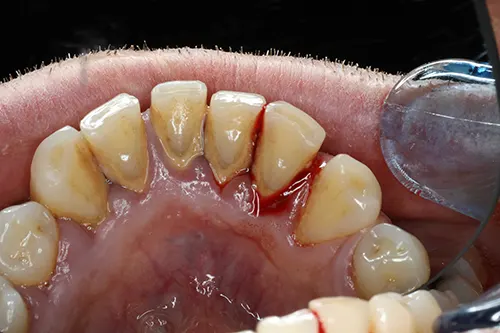
Gingivitis is inflammation of the gums, usually caused by the buildup of plaque along the gumline. Plaque is a sticky film containing bacteria that naturally forms on teeth.
When plaque remains on the teeth and around the gums, the bacteria can irritate the surrounding gum tissue. Over time, this may cause inflammation and other noticeable changes.
Common signs of gingivitis can include:
- Red or swollen gums
- Gums that bleed during brushing or flossing
- Tender or sensitive gums
- Persistent bad breath
- Changes in the appearance of the gumline
Some people may have gingivitis without significant discomfort, which is one reason routine dental examinations are important.
What Causes Gingivitis?
The most common cause of gingivitis is plaque buildup. When daily brushing and cleaning between the teeth do not adequately remove plaque, it can accumulate around the gumline.
Plaque can eventually harden into tartar, also called dental calculus. Unlike plaque, tartar cannot be completely removed with a regular toothbrush and typically requires professional dental cleaning.
However, plaque isn't the only factor that can influence gum health. Several other conditions and habits may increase the likelihood of developing gingivitis.
Common Risk Factors for Gingivitis
Inconsistent Oral Hygiene
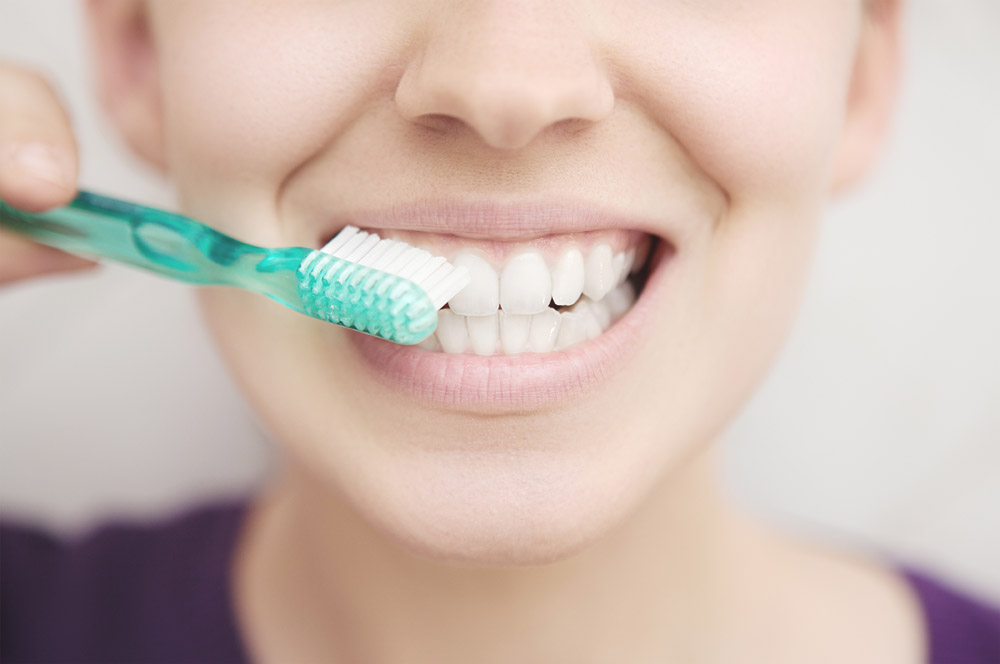
Not brushing twice a day or regularly cleaning between the teeth can allow plaque to remain around the gums. A consistent oral hygiene routine is one of the most important ways to support healthy gums.
Smoking and Tobacco Use
Tobacco use can affect gum health and may make it more difficult for gum tissue to heal. People who use tobacco may also have an increased risk of developing gum disease.
Hormonal Changes
Changes in hormone levels can make gums more sensitive and may increase their response to plaque. This can occur during periods such as puberty, pregnancy, or other hormonal changes.
Certain Medications
Some medications can affect oral health or contribute to changes such as dry mouth. Reduced saliva can make it easier for bacteria and plaque to accumulate.
If you notice changes in your gums after starting a medication, talk with your dentist and healthcare provider rather than stopping the medication on your own.
Certain Health Conditions
Some health conditions can affect the body's ability to maintain healthy gum tissue or respond to oral bacteria. Maintaining regular dental care is particularly important for people managing conditions that may affect oral health.
Poor Nutrition
A balanced diet supports overall health, including the health of your teeth and gums. Good nutrition, along with proper oral hygiene, can be an important part of maintaining healthy gum tissue.
Crooked or Crowded Teeth
Teeth that overlap or are difficult to clean can create areas where plaque is more likely to accumulate. Your dentist can provide guidance on cleaning techniques that work for your individual smile.
Can Gingivitis Be Prevented?
In many cases, good daily habits can significantly reduce the risk of gingivitis. Brush your teeth regularly with fluoride toothpaste, clean between your teeth, and maintain routine dental visits.
Professional cleanings are also important because dental professionals can remove tartar that cannot be eliminated through brushing and flossing alone.
If you notice bleeding, swelling, redness, or other changes in your gums, don't assume that the problem will simply disappear. Early attention can help prevent gum inflammation from becoming a more serious concern.
Protect Your Gum Health With Oyster Point Dental
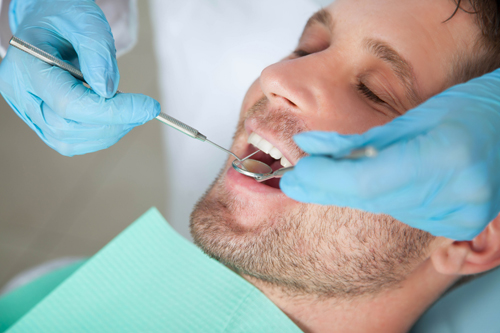
At Oyster Point Dental, we believe that preventive dental care is an important part of maintaining a healthy smile. Routine examinations and professional cleanings allow your dental team to monitor your gums, identify potential concerns, and provide personalized recommendations for your oral hygiene routine.
If your gums frequently bleed when you brush or floss, appear swollen or red, or you've noticed other changes in your gum health, schedule an appointment with your dentist.
Healthy gums start with consistent care. By understanding the risk factors for gingivitis and staying proactive about your oral health, you can help protect your smile for years to come.